
It seems like your request for “Audio/Visual” is quite broad. Could you please provide more details or clarify what specific information or assistance you are seeking regarding audio and visual elements? Are you looking for information on audio/visual technology, recommendations for software or hardware, or assistance with a particular project or concept related to audio and visual content? Providing more context will help me offer a more accurate and helpful response.
What is required Audio/Visual
The term “Audio/Visual” generally refers to the combination of both audio and visual elements, often used in the context of technology, entertainment, presentations, and various media experiences. Here are some common aspects and requirements associated with Audio/Visual:
- Media Content Creation:
- Requirements: Audio recording equipment, video cameras, microphones, editing software.
- Purpose: Creating multimedia content, including videos, podcasts, and presentations.
- Live Events and Performances:
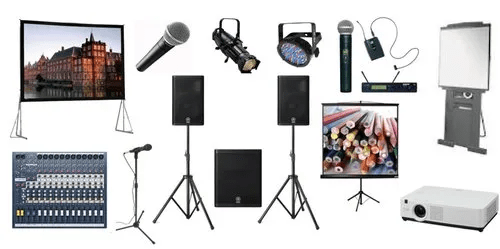
- Requirements: Sound systems, microphones, projectors or screens, lighting equipment.
- Purpose: Supporting live events such as concerts, conferences, and performances with audio and visual components.
- Presentations and Meetings:
- Requirements: Projectors, screens, audio systems, presentation software.
- Purpose: Enhancing presentations and meetings with visual aids and clear audio.
- Entertainment Systems:
- Requirements: Televisions or displays, audio systems, streaming devices.
- Purpose: Creating a home theater or entertainment setup for movies, music, and gaming.
- Virtual and Augmented Reality:
- Requirements: VR/AR headsets, spatial audio technology, immersive displays.
- Purpose: Creating immersive and interactive experiences in virtual or augmented environments.
- Educational Technology:
- Requirements: Interactive whiteboards, audio recording devices, educational software.
- Purpose: Enhancing educational experiences with multimedia content and interactive tools.
- Digital Signage:
- Requirements: Displays, audio systems, content management software.
- Purpose: Sharing information and advertisements in public spaces through visual and audio displays.
- Home Automation:
- Requirements: Smart speakers, smart displays, home theater systems.
- Purpose: Integrating audio/visual elements into smart home setups for convenience and entertainment.
- Video Conferencing:
- Requirements: Webcams, microphones, speakers, video conferencing software.
- Purpose: Facilitating remote communication with both audio and video components.
- Gaming Systems:
- Requirements: Gaming consoles or PCs, audio systems, high-resolution displays.
- Purpose: Creating immersive gaming experiences with high-quality audio and visuals.
- Accessibility Features:
- Requirements: Closed captioning, audio descriptions, accessible visual displays.
- Purpose: Ensuring content is accessible to individuals with different abilities.
- Digital Marketing:
- Requirements: Video content creation tools, audio branding, visual design.
- Purpose: Using multimedia elements for online marketing and branding.
Understanding the specific context and purpose will help determine the necessary requirements and equipment for an effective audio/visual setup. Whether for entertainment, communication, education, or business, the integration of audio and visual elements is crucial for creating engaging and impactful experiences.
Who is required Audio/Visual
The individuals or roles required for audio/visual setups can vary depending on the context and purpose. Here are some common roles or individuals who may be involved in audio/visual activities:
- Audio/Visual Technicians:
- Responsibilities: Set up and operate audio and visual equipment for events, presentations, or productions.
- Skills: Technical proficiency with audio and visual equipment, troubleshooting, and problem-solving.
- Event Planners:
- Responsibilities: Coordinate and plan events, ensuring that audio/visual elements meet the event’s requirements.
- Skills: Organization, communication, attention to detail.
- Content Creators:
- Responsibilities: Develop multimedia content, including videos, podcasts, and visual presentations.
- Skills: Video editing, audio production, graphic design.
- IT Professionals:
- Responsibilities: Manage and maintain audio/visual systems, especially in corporate or educational environments.
- Skills: Network configuration, system integration, troubleshooting.
- Presenters or Speakers:
- Responsibilities: Engage with audiences through presentations, often involving both audio and visual elements.
- Skills: Effective communication, presentation skills.
- Educators:
- Responsibilities: Integrate audio/visual tools into educational activities, lectures, and presentations.
- Skills: Instructional design, technology integration in education.
- AV Designers:
- Responsibilities: Plan and design audio/visual systems for spaces such as conference rooms, theaters, or homes.
- Skills: Knowledge of audio/visual technology, design principles.
- Film and Video Production Crew:
- Responsibilities: Plan, shoot, and edit video content for various purposes, including entertainment and marketing.
- Roles: Director, cinematographer, video editor.
- Live Sound Engineers:
- Responsibilities: Control and adjust audio elements during live performances or events.
- Skills: Audio mixing, understanding of acoustics.
- IT Support Specialists:
- Responsibilities: Provide technical support for audio/visual systems in an organization.
- Skills: Troubleshooting, system administration.
- Digital Marketers:
- Responsibilities: Use audio/visual content for marketing purposes, including social media campaigns and online advertisements.
- Skills: Content creation, digital marketing strategies.
- Accessibility Specialists:
- Responsibilities: Ensure that audio/visual content is accessible to individuals with different abilities.
- Skills: Knowledge of accessibility standards, implementation of accessibility features.
These roles may overlap, and the level of expertise required depends on the complexity of the audio/visual setup and the specific goals of the project or event. Collaboration among these professionals is often necessary to create seamless and effective audio/visual experiences.
When is required Audio/Visual
Audio/Visual (AV) setups are required in various contexts and situations where the integration of both audio and visual elements enhances communication, entertainment, or information dissemination. Here are some scenarios when AV setups are commonly required:
- Presentations and Meetings:
- When: During business meetings, conferences, or educational presentations.
- Why: AV setups, including projectors and audio systems, enhance presentations by providing visual aids and ensuring clear communication.
- Live Events and Performances:
- When: Concerts, theater productions, live performances, and sports events.
- Why: AV setups contribute to the overall experience by providing amplified sound, visuals on large screens, and lighting effects.
- Educational Settings:
- When: In classrooms, lecture halls, and training sessions.
- Why: AV setups facilitate interactive learning, enabling educators to use multimedia resources for better engagement.
- Entertainment Systems at Home:
- When: While watching movies, playing video games, or listening to music at home.
- Why: Home entertainment systems utilize AV setups for an immersive experience, including surround sound and high-definition visuals.
- Video Conferencing:
- When: Virtual meetings and remote collaboration.
- Why: AV setups enable participants to see and hear each other clearly, fostering effective communication in virtual environments.
- Digital Marketing and Advertising:
- When: Online marketing campaigns, social media promotions, and digital advertising.
- Why: AV content, such as videos and interactive visuals, is used to engage and attract audiences.
- Events and Exhibitions:
- When: Trade shows, product launches, and promotional events.
- Why: AV setups create dynamic and attention-grabbing displays to showcase products or convey information.
- Home Automation:
- When: In smart homes for controlling audio/visual devices.
- Why: AV setups are integrated into smart home systems for voice-controlled entertainment, security, and environmental control.
- Gaming:
- When: While playing video games.
- Why: AV setups in gaming include high-resolution displays, surround sound, and immersive technology for an enhanced gaming experience.
- Accessibility Features:
- When: In scenarios where accessibility is crucial.
- Why: AV setups can incorporate features like closed captioning and audio descriptions to make content accessible to individuals with different abilities.
- Cultural and Social Events:
- When: Festivals, celebrations, and community gatherings.
- Why: AV setups add entertainment value through music, visuals, and announcements.
- Training and Simulation:
- When: Military training, flight simulation, and professional development.
- Why: AV setups are used to create realistic scenarios for training and simulations.
Understanding the specific requirements of each scenario is crucial for designing and implementing effective AV setups. The goal is to enhance communication, create immersive experiences, and meet the needs of the audience or users in a given context.
Where is required Audio/Visual
Audio/Visual (AV) setups are required in various locations and environments where the integration of both audio and visual elements enhances communication, entertainment, education, and information dissemination. Here are common settings where AV setups are often required:
- Corporate Environments:
- Where: Boardrooms, meeting rooms, conference centers.
- Why: AV setups facilitate effective communication, presentations, and collaborative discussions during business meetings and conferences.
- Educational Institutions:
- Where: Classrooms, lecture halls, auditoriums.
- Why: AV setups support interactive learning, multimedia presentations, and educational content delivery.
- Entertainment Venues:
- Where: Theaters, cinemas, concert halls, music venues.
- Why: AV setups enhance the entertainment experience by providing high-quality sound and visuals for live performances, movies, and concerts.
- Homes and Residential Spaces:
- Where: Living rooms, home theaters, gaming rooms.
- Why: AV setups in homes offer personalized entertainment experiences, including home theaters, gaming setups, and smart home systems.
- Digital Signage Locations:
- Where: Airports, shopping malls, retail stores.
- Why: AV setups power digital signage for advertising, information displays, and interactive customer engagement.
- Event Venues:
- Where: Exhibition halls, trade show venues, event spaces.
- Why: AV setups are crucial for creating dynamic and engaging displays during events, product launches, and exhibitions.
- Healthcare Facilities:
- Where: Waiting rooms, patient rooms, training centers.
- Why: AV setups can provide entertainment for patients, educational content for staff, and training resources.
- Government and Civic Spaces:
- Where: Town halls, government offices, civic centers.
- Why: AV setups are used for public meetings, presentations, and civic engagement activities.
- Places of Worship:
- Where: Churches, temples, mosques, synagogues.
- Why: AV setups aid in religious ceremonies, worship services, and community events.
- Virtual Meeting Spaces:
- Where: Remote and virtual meeting platforms.
- Why: AV setups are essential for virtual communication, conferences, and remote collaboration.
- Gaming Arenas and Esports Venues:
- Where: Esports arenas, gaming lounges.
- Why: AV setups provide immersive experiences for gamers and spectators during esports events.
- Tourism and Hospitality:
- Where: Hotels, resorts, tourist attractions.
- Why: AV setups enhance the guest experience through in-room entertainment, conference facilities, and interactive displays.
- Training and Simulation Centers:
- Where: Military bases, simulation facilities.
- Why: AV setups support realistic training scenarios and simulations for various industries.
- Outdoor Events and Public Spaces:
- Where: Parks, plazas, outdoor events.
- Why: Portable AV setups are used for outdoor concerts, festivals, and community gatherings.
Understanding the specific requirements and objectives of each location is crucial for designing and implementing effective AV setups tailored to the needs of the environment and audience.
How is required Audio/Visual
The setup and requirements for Audio/Visual (AV) systems can vary depending on the specific context and purpose. Below are key considerations and elements for designing and implementing effective AV systems:
1. Needs Assessment:
- How: Conduct a thorough assessment of the intended use and requirements of the AV system.
- Why: Understanding the specific needs helps in choosing appropriate equipment and configurations.
2. Equipment Selection:
- How: Choose audio and visual equipment based on the intended use (e.g., projectors, screens, sound systems, microphones).
- Why: The selection of quality equipment is essential for delivering clear and immersive audio/visual experiences.
3. Integration and Connectivity:
- How: Ensure seamless integration of audio and visual components; use compatible cables and connectors.
- Why: Smooth connectivity between devices is crucial for reliable and efficient AV operations.
4. Acoustic Considerations:
- How: Address acoustics by using appropriate soundproofing, acoustic panels, and strategic placement of speakers.
- Why: Good acoustics contribute to clear and high-quality audio experiences.
5. Display and Screen Placement:
- How: Optimize the placement and size of screens or displays for optimal viewing angles.
- Why: Proper screen placement enhances visibility and engagement for the audience.
6. Sound Reinforcement:
- How: Use audio processing equipment to reinforce sound quality; consider equalization, compression, and other audio processing tools.
- Why: Sound reinforcement ensures that audio is clear, balanced, and suitable for the environment.
7. Control Systems:
- How: Implement control systems for managing and adjusting audio and visual settings.
- Why: Control systems enhance the user experience and allow for real-time adjustments during operation.
8. User Interface Design:
- How: Design user-friendly interfaces for controlling the AV system.
- Why: Intuitive interfaces make it easier for users to operate the system, reducing the risk of errors.
9. Cable Management:
- How: Organize and manage cables to prevent clutter and potential disruptions.
- Why: Proper cable management enhances safety, aesthetics, and ease of maintenance.
Case Study on Audio/Visual
Case Study: Modernizing Conference Room AV Setup
Background:
A multinational corporation with offices across the globe recognized the need to upgrade its conference room audio/visual systems to enhance communication, collaboration, and presentation capabilities. The existing AV infrastructure was outdated, leading to technical glitches, poor audio quality, and limited functionality. The organization aimed to create modern, user-friendly conference rooms that could seamlessly connect remote teams, support multimedia presentations, and provide a superior audiovisual experience.
Objectives:
- Improve Communication: Enhance audio and video quality for virtual meetings and collaboration.
- Upgrade Presentation Capabilities: Implement state-of-the-art presentation systems for effective communication.
- Ensure User-Friendly Operation: Simplify the AV setup for easy use by employees of varying technical expertise.
- Enable Remote Collaboration: Facilitate seamless communication with remote teams and clients.
- Future-Proofing: Implement scalable technology that can adapt to evolving communication standards.
Implementation Steps:
- Needs Assessment:
- Conducted an assessment of current AV setups, identified pain points, and gathered input from employees.
- Technology Selection:
- Chose high-quality audio equipment, 4K video conferencing cameras, and user-friendly control interfaces.
- Unified Communication Platform:
- Integrated a unified communication platform for video conferencing, screen sharing, and document collaboration.
- Acoustic Improvements:
- Improved room acoustics with sound-absorbing materials and strategically placed microphones for clear audio.
- Wire Management:
- Implemented cable management solutions to eliminate clutter and improve safety.
- User Training:
- Provided comprehensive training to employees on the new AV systems, including troubleshooting tips.
- Remote Collaboration Tools:
- Integrated tools for remote collaboration, allowing seamless communication with offsite teams.
- Automation and Control:
- Implemented an automated control system for easy operation, including one-touch start-up and shutdown.
- Accessibility Features:
- Incorporated closed captioning and multilingual support for inclusivity.
- Testing and Calibration:
- Conducted extensive testing and calibration to ensure optimal audio and video quality.
Results and Outcomes:
- Enhanced Communication:
- Employees experienced a significant improvement in audio and video quality during virtual meetings.
- Improved Collaboration:
- Screen sharing and document collaboration tools facilitated more effective communication and collaboration.
- User Satisfaction:
- Users praised the user-friendly interface, leading to increased confidence and engagement during presentations.
- Seamless Remote Collaboration:
- Remote teams reported a smoother collaboration experience, reducing the feeling of being disconnected.
- Scalability and Future-Proofing:
- The implemented technology allowed for easy scalability, accommodating future upgrades and emerging communication standards.
Challenges and Lessons Learned:
- Employee Adoption:
- Ensuring that all employees were comfortable with the new technology required ongoing communication and support.
- Technical Support:
- Establishing a reliable support system was crucial for addressing technical issues promptly.
- Customization for Different Rooms:
- Each conference room had unique requirements, requiring customization for optimal AV performance.
Future Directions:
The success of the conference room AV upgrade has led the organization to consider implementing similar improvements in other office locations. The lessons learned from this case study will inform future AV projects, ensuring a consistent and high-quality experience for employees worldwide.
Conclusion:
By recognizing the importance of modernizing its conference room AV setups, the organization successfully improved communication, collaboration, and presentation capabilities. The case study demonstrates the positive impact that well-designed and upgraded AV systems can have on workplace efficiency and employee satisfaction.
White Paper on Audio/Visual
White Paper: Transforming Communication through Advanced Audio/Visual Technologies
Executive Summary:
In an era dominated by digital communication and collaboration, the significance of audio/visual (AV) technologies cannot be overstated. This white paper explores the transformative impact of advanced AV technologies on communication, collaboration, and user experiences in various sectors. From corporate boardrooms to virtual classrooms, the integration of cutting-edge AV solutions is shaping the way individuals connect, share information, and engage in meaningful interactions.
Table of Contents:
- Introduction 1.1 Defining the Role of AV Technologies 1.2 Evolution of AV in Communication
- The Power of High-Quality Audio 2.1 Importance of Clear Audio in Communication 2.2 Advanced Microphone Technologies 2.3 Acoustic Design for Optimal Sound Quality
- Visual Excellence in Communication 3.1 Impact of High-Resolution Displays 3.2 Role of 4K Video Conferencing in Virtual Collaboration 3.3 Advancements in Camera Technologies
- Unified Communication Platforms 4.1 Integration of AV with Unified Communication Systems 4.2 Seamless Video Conferencing and Collaboration 4.3 Centralized Control for Enhanced User Experience
- Immersive Environments with Virtual and Augmented Reality 5.1 Enhancing Communication through Immersive Technologies 5.2 Applications of VR and AR in Business and Education 5.3 Creating Virtual Spaces for Remote Collaboration
- User-Friendly Control Interfaces 6.1 Importance of Intuitive Control Systems 6.2 Touchscreen Interfaces and Gesture Controls 6.3 Automation for Effortless Operation
- Addressing Accessibility: Inclusivity in AV Design 7.1 Incorporating Closed Captioning and Subtitling 7.2 Providing Multilingual Support 7.3 Making AV Systems Accessible to All Abilities
- Security and Privacy Considerations 8.1 Ensuring Secure Communication Channels 8.2 Privacy Measures in Video Conferencing 8.3 Compliance with Data Protection Regulations
- Scalability and Future-Proofing 9.1 Building Systems for Scalability 9.2 Adapting to Emerging AV Technologies 9.3 Future-Proofing AV Investments
- Case Studies: Real-World Implementations 10.1 Corporate AV Transformation 10.2 Educational Institutions Embracing AV 10.3 Virtual Events and Conferences
- Challenges and Solutions in AV Integration 11.1 Overcoming Technical Challenges 11.2 User Adoption and Training 11.3 Customization for Diverse Environments
- Conclusion: The Future of AV in Communication 12.1 Continuing Advancements in AV Technologies 12.2 The Role of AV in Shaping the Future of Work and Education 12.3 Call to Action for Organizations and Institutions
Conclusion:
As organizations and institutions continue to prioritize effective communication and collaboration, advanced audio/visual technologies emerge as a cornerstone of success. This white paper aims to guide decision-makers, IT professionals, and educators in understanding the transformative potential of AV technologies and making informed choices to propel their communication strategies into the future.