
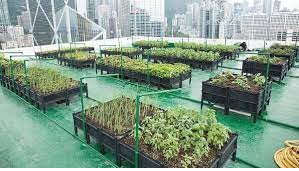
Rooftop farming involves cultivating food, herbs, or other plants on the rooftops of buildings. This form of urban agriculture utilizes available rooftop space for growing crops, offering numerous benefits, including increased access to fresh produce, improved environmental sustainability, and the utilization of underutilized urban spaces. Here are key aspects of rooftop farming:
Key Components of Rooftop Farming:
- Growing Medium:
- Rooftop farms use growing media such as soil, compost, or soilless mixes to support plant growth. The choice of growing medium depends on factors like weight constraints, water retention, and plant nutrient requirements.
- Containers and Raised Beds:
- Plants are often grown in containers or raised beds on rooftops. Containers can include pots, planter boxes, or other vessels suitable for the chosen crops.
- Irrigation System:
- Efficient irrigation systems, such as drip irrigation or soaker hoses, are essential for delivering water to plants. Watering needs depend on the type of crops and environmental conditions.
- Wind Protection:
- Rooftop environments are often exposed to wind, which can impact plant growth. Windbreaks or protective structures may be used to shield plants and prevent wind damage.
- Sunlight Exposure:
- The amount of sunlight available on rooftops influences crop selection. Full-sun crops require direct sunlight, while shade-tolerant plants may be suitable for partially shaded areas.
- Accessibility:
- Accessibility considerations are important for rooftop farming. Safe and convenient access to the rooftop is essential for planting, harvesting, and maintenance activities.
- Structural Assessment:
- Rooftop farms must consider the load-bearing capacity of the building’s structure. A structural assessment ensures that the rooftop can support the additional weight of soil, plants, and irrigation systems.
- Safety Measures:
- Safety features such as guardrails, signage, and secure footing are crucial for preventing accidents and ensuring the well-being of individuals working on the rooftop farm.
Benefits of Rooftop Farming:
- Increased Local Food Production:
- Rooftop farming contributes to local food production, reducing the need for transportation and promoting food security in urban areas.
- Environmental Sustainability:
- Utilizing underutilized rooftop spaces helps maximize land use efficiency in urban environments. Rooftop farming also contributes to environmental sustainability by reducing the carbon footprint associated with food transportation.
- Stormwater Management:
- Rooftop farms can absorb and manage stormwater runoff, mitigating the impact on urban drainage systems and reducing the risk of flooding.
- Heat Island Mitigation:
- Greenery on rooftops helps mitigate the urban heat island effect by providing shade, reducing heat absorption, and promoting evaporative cooling.
- Community Engagement:
- Rooftop farms can serve as community spaces, fostering social interaction, education, and a sense of shared responsibility for food production.
- Educational Opportunities:
- Rooftop farms in educational institutions or community settings provide hands-on learning experiences, teaching sustainable agriculture practices and environmental awareness.
- Improved Air Quality:
- Plants on rooftops contribute to improved air quality by absorbing pollutants and releasing oxygen, enhancing the overall urban environment.
- Creation of Green Jobs:
- Rooftop farming projects may create employment opportunities in areas such as agriculture, landscaping, and community outreach.
Challenges and Considerations:
- Structural Load Capacity:
- Assessing and ensuring that the building structure can support the weight of the rooftop farm is critical.
- Waterproofing:
- Proper waterproofing is essential to prevent water leakage into the building. Waterproofing systems should be in place to protect the structure.
- Plant Selection:
- Choosing crops suitable for the rooftop environment, considering sunlight exposure, wind conditions, and climate, is crucial for success.
- Irrigation Efficiency:
- Implementing efficient irrigation systems is essential to provide consistent water to plants without causing water-related issues.
- Maintenance:
- Regular maintenance, including weeding, pruning, and monitoring for pests, is necessary to ensure the health of rooftop crops.
- Community Support:
- Gaining support from the building owners, residents, and local community is important for the success and sustainability of rooftop farming projects.
Rooftop farming is a versatile and sustainable approach to urban agriculture, offering the potential to transform underutilized spaces into productive and green areas. Successful implementation requires collaboration among building owners, farmers, community members, and professionals in agriculture, engineering, and urban planning.
Who is required ROOFTOP FARMING
Various stakeholders and entities can play a role in the implementation and success of rooftop farming initiatives. The following are key participants who are typically required in rooftop farming projects:
- Building Owners and Developers:
- Building owners and developers are crucial stakeholders as they control access to rooftops. Their support is essential for structural assessments, modifications, and the overall success of rooftop farming projects.
- Local Government and Urban Planners:
- Municipal authorities and urban planners play a vital role in establishing policies, regulations, and incentives that support rooftop farming. They may provide guidance on zoning, building codes, and sustainability initiatives.
- Architects and Engineers:
- Architects and structural engineers are needed to assess the structural capacity of buildings, design modifications, and ensure that rooftops can safely support the additional weight of farming infrastructure.
- Community Organizations:
- Local community organizations can facilitate community engagement, organize educational programs, and act as intermediaries between residents and other stakeholders. They play a crucial role in building support for rooftop farming projects.
- Agricultural Experts and Horticulturists:
- Experts in agriculture and horticulture contribute to crop selection, planting strategies, and overall agricultural practices. Their knowledge ensures that rooftop farming projects are sustainable and productive.
- Environmental and Sustainability Experts:
- Professionals with expertise in environmental science and sustainability can provide guidance on eco-friendly practices, resource management, and the overall ecological impact of rooftop farming.
- Nonprofit Organizations and NGOs:
- Nonprofit organizations and non-governmental organizations (NGOs) may offer support, funding, or expertise in sustainable agriculture. They often play a role in promoting community engagement and environmental awareness.
- Educational Institutions:
- Schools, colleges, and universities can contribute by incorporating rooftop farming into educational programs. Rooftop farms provide valuable learning opportunities for students studying agriculture, environmental science, or related disciplines.
- Local Businesses and Restaurants:
- Local businesses, especially those in the food industry, can support rooftop farming by sourcing fresh produce locally. Restaurants may also participate in rooftop farming projects by creating partnerships or utilizing rooftop-grown ingredients.
- Residents and Community Members:
- The active involvement of residents is essential for the success of rooftop farming initiatives. They can participate in the cultivation process, attend community events, and contribute to the overall maintenance and sustainability of the rooftop farm.
- Government Agencies:
- Various government agencies, such as departments of agriculture, environmental protection, and urban development, may provide support, guidance, or funding for rooftop farming projects.
- Technology Providers:
- Companies offering technologies for efficient irrigation, monitoring, and data analysis can contribute to the technological aspects of rooftop farming, enhancing resource efficiency and productivity.
- Legal and Permitting Experts:
- Professionals with expertise in legal and permitting processes can assist in navigating regulatory requirements, obtaining necessary permits, and ensuring compliance with local laws.
- Public Health Officials:
- Collaboration with public health officials may be important, especially when rooftop farms are intended to contribute to local food security and improve access to fresh, nutritious produce.
- Sustainability Consultants:
- Sustainability consultants can provide guidance on overall project sustainability, including energy efficiency, waste reduction, and adherence to green building standards.
Effective collaboration among these stakeholders is essential to address the diverse aspects of rooftop farming projects and ensure their success in contributing to local food production, communities
Where is required ROOFTOP FARMING
Rooftop farming is required or particularly beneficial in various locations and contexts. The need for rooftop farming is often influenced by factors such as urbanization, population density, sustainability goals, and the desire to enhance local food production. Here are some locations where rooftop farming is commonly required or recommended:
- Urban Areas:
- Rooftop farming is especially relevant in densely populated urban areas where space for traditional agriculture is limited. It allows cities to utilize available rooftop space for food production.
- High-Rise Buildings:
- In cities with numerous high-rise buildings, rooftop farming provides an opportunity to maximize vertical space and convert unused roof areas into productive agricultural spaces.
- Industrial Zones:
- Rooftop farming can be implemented in industrial zones where large rooftops are common. It helps offset the environmental impact of industrial activities and promotes sustainability.
- Educational Institutions:
- Rooftop farming is often implemented in schools, colleges, and universities. It serves as an educational tool, allowing students to learn about sustainable agriculture practices and food production.
- Corporate and Commercial Buildings:
- Companies and commercial establishments may adopt rooftop farming as part of their corporate social responsibility (CSR) initiatives or to enhance the overall sustainability of their operations.
- Community Centers and Housing Complexes:
- Rooftop farming is suitable for community centers and housing complexes, providing residents with access to fresh produce and fostering a sense of community engagement.
- Food Deserts:
- Rooftop farming can address food deserts, which are areas with limited access to fresh and affordable produce. Implementing rooftop farms in such locations improves local food availability.
- Hot Climate Regions:
- In regions with hot climates, rooftop farming can help mitigate the urban heat island effect by providing shade and promoting cooling through plant transpiration.
- Regions with Stormwater Management Challenges:
- Rooftop farms contribute to stormwater management by absorbing and filtering rainwater, making them beneficial in regions with stormwater challenges.
- Cities with Sustainability Goals:
- Cities with ambitious sustainability goals may encourage or require rooftop farming as part of broader initiatives to increase green spaces, reduce environmental impact, and enhance overall urban resilience.
- Community Gardens in Urban Areas:
- Rooftop farming can be part of community garden initiatives in urban areas, offering residents a shared space for cultivation and fostering a sense of community.
- Public Spaces and Parks:
- Public buildings, parks, and recreational areas can adopt rooftop farming to enhance the greenery and provide fresh produce for visitors.
- Restaurants and Hospitality Industry:
- Restaurants and hotels may incorporate rooftop farming to source fresh, locally grown ingredients for their culinary offerings, aligning with the farm-to-table concept.
The suitability of rooftop farming depends on factors such as building structures, local climate, and community support. In many cases, it represents a sustainable and innovative solution to address various urban and environmental challenges.
How is required ROOFTOP FARMING
The successful implementation of rooftop farming involves careful planning, consideration of various factors, and adherence to specific practices to ensure the health of the crops and the overall sustainability of the project. Here’s a guide on how rooftop farming is typically required:
- Site Assessment:
- Conduct a thorough assessment of the rooftop, considering factors such as structural capacity, sunlight exposure, wind conditions, and access points. Evaluate the overall feasibility of rooftop farming for the specific site.
- Structural Analysis:
- Assess the load-bearing capacity of the building’s structure to ensure it can support the additional weight of the rooftop farm, including soil, containers, plants, and irrigation systems. Consult with structural engineers if needed.
- Waterproofing:
- Install a reliable waterproofing system to protect the building from water damage. Waterproof membranes should be in place to prevent water leakage into the structure.
- Growing Medium:
- Choose an appropriate growing medium that is lightweight, well-draining, and nutrient-rich. Consider factors such as weight restrictions, water retention, and aeration.
- Container Selection:
- Select containers or raised beds suitable for rooftop farming. Containers should be lightweight, have proper drainage, and be positioned to avoid damaging the roof membrane.
- Irrigation System:
- Implement an efficient irrigation system that ensures consistent and controlled watering for the crops. Drip irrigation or soaker hoses are commonly used to minimize water usage.
- Plant Selection:
- Choose crops that are well-suited for the rooftop environment, considering factors such as sunlight availability, wind exposure, and local climate conditions. Select a mix of vegetables, herbs, and other plants based on the space and goals of the rooftop farm.
- Wind Protection:
- Install windbreaks or protective structures to shield plants from strong winds, which can impact plant growth and cause damage.
- Sunlight Optimization:
- Arrange plants strategically to optimize sunlight exposure. Consider the orientation of the rooftop and potential shading from surrounding structures.
- Accessibility:
- Plan for safe and convenient access to the rooftop for planting, maintenance, and harvesting activities. Install secure walkways, ladders, or stairs as needed.
- Safety Measures:
- Incorporate safety features such as guardrails, signage, and proper equipment to ensure the safety of individuals working on the rooftop farm.
- Comprehensive Maintenance Plan:
- Develop a maintenance plan that includes regular tasks such as watering, fertilizing, pruning, and pest control. Regular inspections help identify issues early and ensure the health of the crops.
- Community Engagement:
- Engage with building owners, residents, and the local community to gain support and involvement. Community participation can enhance the success and sustainability of rooftop farming projects.
- Educational Programs:
- Consider incorporating educational programs to raise awareness about rooftop farming and sustainable agriculture practices. This can be especially valuable in educational institutions or community-based projects.
- Monitoring and Adaptation:
- Continuously monitor the performance of the rooftop farm and be ready to adapt based on changing conditions. Regular assessments help optimize the farm’s productivity and address any challenges.
- Environmental Considerations:
- Implement environmentally friendly practices, such as composting, rainwater harvesting, and the use of organic fertilizers, to enhance the overall sustainability of the rooftop farming project.
- Collaboration with Experts:
- Seek input from professionals such as horticulturists, agronomists, and sustainability experts to ensure that the rooftop farming project aligns with best practices and local conditions.
- Permitting and Compliance:
- Check local regulations and obtain necessary permits for rooftop farming. Ensure compliance with building codes and any relevant environmental guidelines.
By following these steps and considering these factors, rooftop farming projects can be implemented successfully, contributing to increased local food production, environmental sustainability, and community engagement.
Case Study on ROOFTOP FARMING
While I can’t provide real-time or specific case studies, I can outline a hypothetical scenario for a rooftop farming project as a case study. This example demonstrates the potential challenges, solutions, and outcomes associated with rooftop farming.
Case Study: Urban Rooftop Farming Project
Background: A city with high population density and limited green space is facing challenges related to food security, urban heat island effects, and the need for sustainable practices. A community organization, in collaboration with the local government and building owners, decides to implement a rooftop farming project.
Objectives:
- Increase Local Food Production:
- Grow a variety of vegetables and herbs to contribute to local food production and address food security concerns in the urban area.
- Mitigate Urban Heat Island Effect:
- Utilize rooftop greenery to reduce the urban heat island effect, providing cooling benefits for both the building and the surrounding environment.
- Community Engagement:
- Create a community space that fosters engagement, education, and collaboration among residents, building occupants, and local organizations.
Implementation Steps:
- Site Selection and Assessment:
- Identify suitable rooftops based on structural capacity, sunlight exposure, and accessibility. Conduct a thorough structural analysis to ensure safety.
- Collaboration and Stakeholder Engagement:
- Engage with building owners, residents, local businesses, and government agencies to gain support and collaboration. Establish partnerships with local agricultural experts and sustainability organizations.
- Structural Modifications:
- Implement necessary structural modifications to ensure the rooftop can support the additional weight of soil, containers, and irrigation systems.
- Waterproofing and Irrigation System:
- Install a robust waterproofing system to protect the building. Implement a drip irrigation system for efficient water distribution to the crops.
- Container Gardens and Plant Selection:
- Utilize container gardens with lightweight and well-draining growing media. Choose a mix of vegetables and herbs suitable for the rooftop environment and local climate.
- Wind Protection and Sunlight Optimization:
- Install windbreaks and protective structures to shield plants from strong winds. Strategically arrange plants to optimize sunlight exposure.
- Community Workshops and Education Programs:
- Conduct workshops and educational programs on sustainable agriculture practices, environmental benefits, and healthy eating. Involve local schools, community centers, and residents.
- Safety Measures and Accessibility:
- Install safety features such as guardrails, proper signage, and secure access points. Ensure that the rooftop is easily accessible for maintenance and community events.
- Community Events and Farmers’ Markets:
- Organize community events, farmers’ markets, and educational sessions on the rooftop to encourage community participation and foster a sense of ownership.
Outcomes:
- Increased Local Food Production:
- The rooftop farm successfully produces a variety of fresh vegetables and herbs, contributing to increased local food production and reducing reliance on external sources.
- Mitigation of Urban Heat Island Effect:
- The greenery on the rooftops helps mitigate the urban heat island effect, providing cooling benefits to the building and creating a more pleasant microclimate in the surrounding area.
- Community Engagement and Collaboration:
- The rooftop farming project becomes a focal point for community engagement. Residents actively participate in the cultivation process, attend events, and collaborate on sustainability initiatives.
- Educational Impact:
- Educational programs have a positive impact on the community, increasing awareness of sustainable practices, healthy eating, and the environmental benefits of urban agriculture.
- Social and Economic Benefits:
- The rooftop farm becomes a social hub, fostering a sense of community. Farmers’ markets and community events contribute to local economic activity.
- Sustainability Practices:
- The project incorporates sustainable practices such as rainwater harvesting, composting, and the use of organic fertilizers, setting an example for environmentally conscious urban agriculture.
This hypothetical case study illustrates how a rooftop farming project can address urban challenges while promoting community engagement, sustainable practices, and local food resilience. The success of such initiatives often relies on collaboration, stakeholder engagement, and a holistic approach to addressing urban sustainability goals.
White Paper on ROOFTOP FARMING
White Paper on Rooftop Farming: Cultivating Sustainability in Urban Spaces
Executive Summary:
Introduction: Rooftop farming presents a sustainable solution to the challenges of urbanization, food security, and environmental degradation. This white paper explores the principles, benefits, challenges, and best practices associated with rooftop farming. It serves as a comprehensive guide for urban planners, policymakers, building owners, and communities interested in implementing rooftop farming initiatives.
1. Background: Urbanization is on the rise globally, leading to increased population density and reduced green spaces. Rooftop farming leverages underutilized spaces on building rooftops to cultivate crops, contributing to local food production, environmental sustainability, and community well-being.
2. Principles of Rooftop Farming:
a. Structural Considerations: – Assessing and reinforcing building structures to accommodate the additional weight of rooftop farms.
b. Waterproofing and Drainage: – Implementing robust waterproofing systems to protect buildings and designing efficient drainage solutions to prevent water accumulation.
c. Growing Medium and Containers: – Selecting lightweight and well-draining growing media, and utilizing containers or raised beds for crop cultivation.
d. Irrigation Systems: – Installing efficient irrigation systems, such as drip irrigation, to optimize water usage and promote plant health.
e. Plant Selection: – Choosing crops based on the local climate, rooftop conditions, and the specific goals of the farming project.
f. Wind Protection and Sunlight Optimization: – Implementing measures to protect plants from strong winds and strategically arranging crops to optimize sunlight exposure.
3. Benefits of Rooftop Farming:
a. Increased Local Food Production: – Rooftop farming contributes to local food resilience by providing fresh, locally grown produce.
b. Mitigation of Urban Heat Island Effect: – Greenery on rooftops helps reduce the urban heat island effect, creating cooler microclimates in urban areas.
c. Stormwater Management: – Rooftop farms absorb and filter rainwater, mitigating stormwater runoff and reducing strain on drainage systems.
d. Community Engagement: – Rooftop farms serve as community hubs, fostering engagement, education, and social interactions.
e. Environmental Benefits: – Rooftop farming promotes biodiversity, improves air quality, and contributes to overall environmental sustainability.
4. Challenges and Solutions:
a. Structural Constraints: – Challenge: Building structural limitations. – Solution: Conducting thorough structural assessments and implementing necessary modifications.
b. Waterproofing Issues: – Challenge: Risk of water leakage into the building. – Solution: Implementing high-quality waterproofing systems and regular maintenance.
c. Accessibility and Safety: – Challenge: Limited access and safety concerns. – Solution: Designing secure access points, installing safety features, and ensuring proper walkways.
d. Plant Health and Crop Selection: – Challenge: Adverse rooftop conditions affecting plant health. – Solution: Choosing suitable crops, optimizing growing conditions, and implementing wind protection.
5. Case Studies:
- Highlighting successful rooftop farming projects in diverse urban settings, showcasing best practices, community engagement models, and measurable outcomes.
6. Recommendations for Implementation:
- Providing guidelines for stakeholders, including building owners, local governments, and community organizations, on how to plan, implement, and sustain rooftop farming initiatives.
7. Conclusion: Rooftop farming emerges as a transformative practice that addresses urban challenges while promoting sustainability, local food production, and community resilience. As cities continue to evolve, rooftop farming stands as a beacon of innovation, turning urban rooftops into thriving agricultural spaces.
Comments are closed.